



Electric Vehicles
Buick & GMC Electric Vehicles (EVs)
We all know that the future of the auto industry is electric. GM is aggressively transitioning to an all-electric model lineup with 30 EV models launching globally by the end of 2025. This rapid change is happening via a common set of components that all models can use. Introducing the Ultium Platform. This incredible platform was designed from the ground up to be flexible enough for any size or style of electric vehicle. Read on to learn more.
The Ultium Platform
So, what exactly does the Ultium Platform entail? Simply put, it's a scalable EV platform designed for range, power, and flexibility. It enables GM product engineers to design different types of vehicles that can use a single type of battery and drive unit while offering flexibility to accommodate the needs of a wide range of small cars, mid-sized SUVs, heavy duty pickup trucks, and even commercial vehicles. One of the great wins of this platform is how it enables a nearly perfect 50/50 weight distribution between the front and rear of the vehicle. This provides the driver with a lower center of gravity which, in turn, gives a greater level of control, responsiveness, and honestly, fun. In general, electric motors generate horsepower and torque much more quickly than fossil fuel-based engines. This makes merging into highway traffic and passing much easier than ever before. By building shared components and evolving them as technology continues to advance and mature, our customers can see a bright future with GM EVs.
EV Charging
Ultium Charge 360 is the name for GM's approach to keeping your vehicle charged. It brings together charging networks, GM mobile apps, and other products and services to help you stay on top of your vehicle's charge and available driving range. GM has partnered with seven different charging providers to ensure that you can find a charging station when you need one whether you're running errands around town or taking a cross-country road trip. As of this time, there are nearly 60,000 available charging points across the United States and Canada now with more coming all the time. One other way that helps keep your Ultium EV charged is braking. These vehicles feature a regenerative braking system to help increase range while decreasing the amount of charge needed from the batteries. This also results in better brake pad life and fewer trips to the dealership for brake pad and rotor replacement.
EV Battery Information
Electric vehicle batteries are designed to last for the expected life of the vehicle. Battery life should be kept in mind when calculating the total cost of ownership, as batteries of all kinds wear out and need to be replaced. You can think of battery replacement as a similar procedure to replacing a gas or diesel engine or transmission. The rate at which EV batteries wear out and depends on the type of battery and how they are used.
The failure rate of EV batteries in use today is as low as 0.003%. There are also high mileage warranties on electric vehicle batteries available from many manufacturers. Several manufacturers offer multi-year and 100,000+ mile warranties on their batteries. Be sure to review the manufacturer's information carefully when selecting an EV model.
Emissions and Energy Efficiency
Emissions EVs produce no tailpipe emissions. Electric vehicles show significant reductions in overall global carbon emissions when compared to gasoline or diesel vehicles due to the highly carbon-intensive process of mining, pumping, refining, and transporting gasoline.
Energy Efficiency Internal combustion engines are relatively inefficient at converting fuel energy to propulsion as most of the energy is wasted as heat. Electric motors are more efficient in converting stored energy into propulsion, and electric-drive vehicles do not consume energy while at rest or coasting. Additionally, regenerative braking can be used to recapture energy during braking. Typically, conventional gasoline engines effectively use only 15 percent of the fuel-energy content to move the vehicle or to power accessories, while electric-drive vehicles have on-board efficiency of around 80 percent.
Reduced Operating Costs
The average U.S. household spends nearly one-fifth of its total family expenses on transportation. Any opportunity to save on fuel can make a big difference for the average family's budget. Electricity is less expensive than gasoline and EVs are more efficient than gas-powered vehicles. Electric prices are also generally much more stable than gasoline prices. On a national average, it costs less than half as much to travel the same distance in an EV than a conventional vehicle. Your savings could be far more substantial if your current gas-powered vehicle gets poor mileage.
Reduced Maintenance Requirements
Electric Vehicles require less maintenance than conventional vehicles because there are fewer fluids (like oil and transmission fluid) to change, and far fewer moving parts. EVs require minimal scheduled maintenance to their electrical systems, which can include the battery, electrical motor, and associated electronics. Because of regenerative braking, brake systems on EVs typically last longer than they do on conventional vehicles.
- No Oil Changes: EVs do not require engine oil, so there are no oil changes
- No Spark Plugs and Wires: EVs do not require spark plugs and wires, so no replacements are needed
- No Exhaust System: EVs do not have mufflers or catalytic converters, two components of the exhaust system that can fail and result in expensive replacements
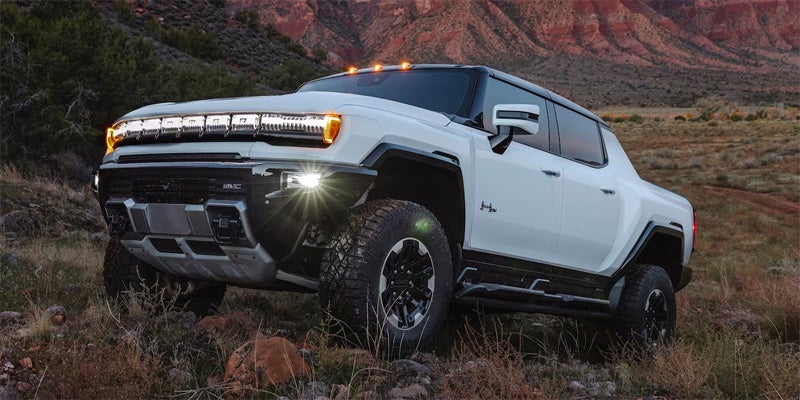
The Chevrolet Silverado EV, GMC Hummer EV, and Cadillac Lyriq are the first of many Ultium EVs. Stay tuned for more exciting information about upcoming electric cars, trucks, and SUVs.
Sources:
| Monday | 9:00AM - 8:00PM |
| Tuesday | 9:00AM - 8:00PM |
| Wednesday | 9:00AM - 8:00PM |
| Thursday | 9:00AM - 8:00PM |
| Friday | 9:00AM - 8:00PM |
| Saturday | 9:00AM - 7:00PM |
| Sunday | 10:00AM - 6:00PM |
| Monday | 7:30AM - 5:30PM |
| Tuesday | 7:30AM - 5:30PM |
| Wednesday | 7:30AM - 5:30PM |
| Thursday | 7:30AM - 5:30PM |
| Friday | 7:30AM - 5:30PM |
| Saturday | 8:00AM - 2:00PM |
| Sunday | Closed |
| Monday | 8:00AM - 5:30PM |
| Tuesday | 8:00AM - 5:30PM |
| Wednesday | 8:00AM - 5:30PM |
| Thursday | 8:00AM - 5:30PM |
| Friday | 8:00AM - 5:30PM |
| Saturday | 8:00AM - 2:00PM |
| Sunday | Closed |